Health · Oldham.news
Over 40% of urgent 111 calls missed by Pennine Care in Oldham area, CQC report finds
More than 40% of urgent 111 calls missed by Oldham mental health crisis team, endangering locals.
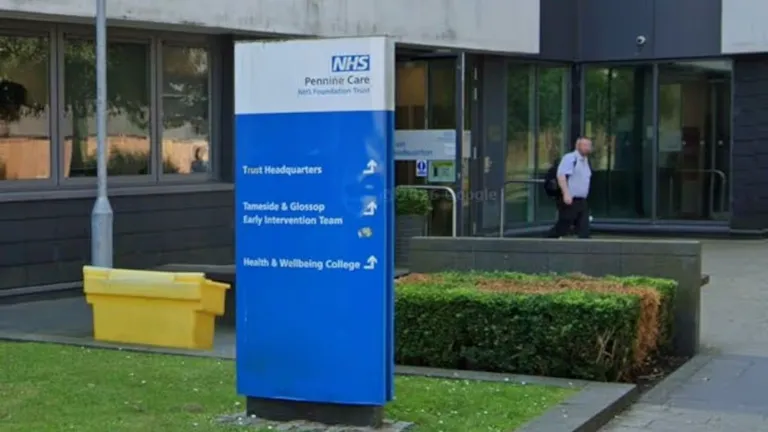
More than 40 per cent of urgent 111 calls to Pennine Care NHS Foundation Trust’s mental health crisis teams are not being answered, according to the latest inspection reports from the Care Quality Commission (CQC). The findings, which rate the services as ‘requires improvement,’ highlight serious concerns for Oldham residents who rely on these teams for immediate help during a mental health crisis.
The crisis teams provide short-term home-based support to people in mental health distress, aiming to prevent hospital admissions. But inspectors found that between January 2024 and October 2025, 41 per cent of calls to the teams were abandoned, meaning some people seeking urgent help may not have been able to speak to a staff member. This is the second time in recent weeks that Pennine Care, which covers Oldham, has been rated ‘requires improvement’ by the CQC. Last week, its community-based mental health services were criticised for high caseloads and staff feeling overwhelmed due to shortages.
The report also revealed that patient risk assessments were not consistently completed, with some teams relying heavily on predictive tools. National guidance warns that such tools cannot reliably predict individual suicide risk and can lead to unsafe decisions. Other issues included a lack of appropriate staffing and supervision, with training compliance as low as 6.5 per cent in some areas. Service users were not always informed of their rights regarding consent, and problems with buildings used by the trust were also noted.
Specific concerns were raised about the care provided to individuals with complex needs. For instance, one patient at risk of choking had no nutritional or hydration risk assessment, while another with pressure sores had no mention of this in their care plan. An individual needing at least 1,500ml of fluids daily was rarely offered more than 500ml. Inspectors also found that recorded medicine dosages did not always match GP prescriptions, and recruitment files lacked proper documentation, such as proof of identity and contracts of employment. Training gaps were identified, particularly in advanced autism and learning disability support, despite the service caring for people with these needs.
Despite these failings, one service within the trust was praised as ‘outstanding.’ This centre was described as ‘exceptional’ and ‘truly person-centred,’ with staff providing kind, compassionate care that respected privacy and dignity. Service users told inspectors that staff went “out of their way” to make them feel valued, with one person noting they were made to feel “glamorous” through small gestures like blow-drying their hair. The centre was also commended for seamless transitions into care and high training compliance, with staff praising the quality of the training provided.
For Oldham residents, these findings underscore the mixed picture within local mental health services. While the trust has areas of excellence, the high rate of unanswered urgent calls and gaps in basic care are worrying. The CQC has urged Pennine Care to address these issues promptly to ensure that everyone seeking help receives safe and effective support when they need it most.