Politics · Oldham.news
Oldham Council stalemate: Chief executive keeps services running as councillors deadlocked
Oldham Council deadlocked after elections, with no leader or mayor; services run but policy changes are frozen.
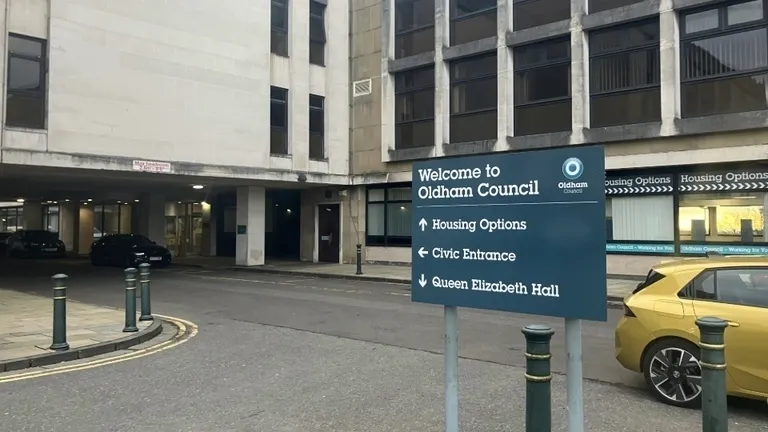
Oldham Council is currently operating without a political leadership following the recent local elections, leaving the borough in what is effectively a caretaker state while parties attempt to break a political deadlock.
The elections saw Labour lose eight seats, leaving the party unable to command a majority. Reform UK now holds 16 seats, making it the second largest party in the chamber. No single group or possible coalition holds the 31 seats required to take overall control of the local authority. Former Labour leader Councillor Arooj Shah has since stepped down from the role, while Reform UK has ruled out forming a coalition with any other group.
The stalemate means standard services like bin collections and council tax processing continue without interruption under the council's paid officers, but any major policy decisions or significant spending changes are effectively frozen. The council cannot legally appoint a new leader or cabinet, and it cannot make what are termed 'key decisions'—those involving substantial spending or a significant impact on the borough—until a political executive is formed.
Further complicating matters, a new Mayor cannot be sworn in. The Mayor plays a crucial role in chairing full council meetings where all 60 elected members debate the issues facing the town. Without this figure in place, the council's ability to function politically is severely limited.
Talks between the parties aimed at breaking the deadlock broke down on May 20. A further attempt to find a way forward is scheduled for June 15.
In the meantime, the council is being run by its most senior paid official, Chief Executive Shelley Kipling. Under the council's constitution, the Officer Scheme of Delegation gives her and her senior team the legal power to take the steps necessary to keep council services running smoothly. Ms Kipling received a salary of £180,646 last year for leading the organisation.
This framework allows the officers to make emergency decisions and handle the day-to-day management of the borough, but it strictly limits them to operating within the policies and budgets agreed by the previous administration. They cannot introduce new policies, change spending priorities, or make strategic shifts without the backing of newly elected councillors. The Deputy Chief Executive for Place, for instance, oversees planning, housing, transport, waste services, and parks, but can only do so within the existing financial and policy framework set by councillors.
For residents, the immediate impact on daily life is minimal. Bins continue to be collected, planning applications are processed, and frontline staff are at work. However, the lack of a democratic mandate at the top raises significant questions about the town's direction. Decisions on major regeneration projects, council tax levels, or how to respond to new government funding opportunities are all effectively on hold until the political vacuum is filled. While the constitution provides a strong safety net for a caretaker period, it is widely recognised as a temporary fix rather than a permanent solution for governing the town.
All eyes are now on the June 15 meeting. If the parties cannot strike a deal, Oldham risks a prolonged period of political limbo, where the most powerful figure in the town hall is the chief executive rather than an elected mayor or councillor.