Politics · Oldham.news
Oldham Council leader Arooj Shah to step down
Oldham Council leader Arooj Shah steps down after Labour loses seats, ending 15-year control and fracturing local politics.
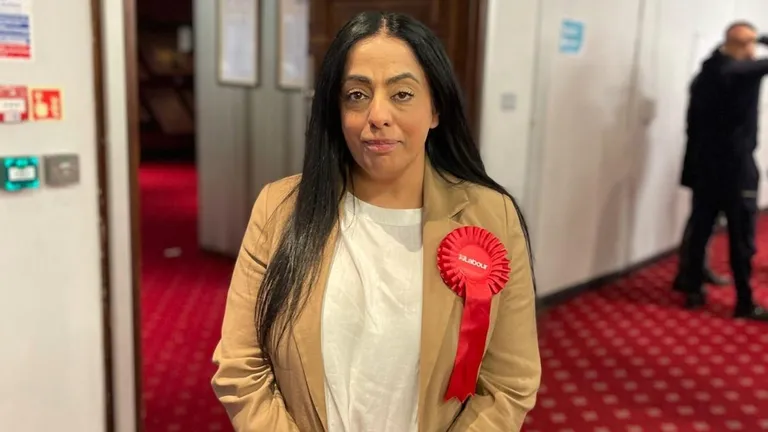
The leader of Oldham Council, Councillor Arooj Shah, has confirmed she will step down before the end of the month, marking a potential end to 15 years of Labour control at the local authority. Her announcement comes after a disastrous local election night for the party, which saw Labour lose nine of the twelve seats it was defending.
In the 7 May vote, Labour’s representation on the council was slashed to just 18 members. Reform UK, led by former Conservative Lewis Quidd, surged to become the second-largest group, gaining 13 councillors. The Oldham Group, an association of independents representing some of the borough’s majority-Asian central wards, now holds 10 seats. The results have fractured the council’s political makeup into three roughly equal blocs, with no single party able to command a majority.
With the annual council meeting scheduled for 20 May, any group hoping to take control will need to secure the support of others. In a statement released on Sunday, 10 May, Councillor Shah ruled out any working agreement – whether coalition or supply arrangement – with groups she accused of running “divisive and toxic campaigns”. She added: “As a consequence, I will cease being the Leader of the Council on the morning of the annual council meeting.”
Councillor Shah’s departure leaves the Liberal Democrats, Conservatives, and a handful of independent councillors with a crucial decision: whether to back The Oldham Group, Reform UK, or a Labour group under new leadership to form a working cabinet. Given the political and personal divisions within the council, observers say it could prove difficult to build a stable, long-term majority.
In her full statement, Shah thanked Labour voters across the borough, noting that the party had retained three seats in Chadderton Central, Medlock Vale, and Werneth. She stressed that while Labour remains the largest single party, the results showed clear support for others. “Both Reform and The Oldham Group gained seats and are now the second and third largest parties respectively,” she said.
Shah urged all parties to “draw a line under their infighting, work to raise the bar, and lower the temperature of political conduct in the borough”. She also reminded councillors of the importance of the council, which spends hundreds of millions of pounds of public money each year, employs thousands of staff, and delivers critical services such as social care and children’s safeguarding.
The political landscape in Oldham has shifted dramatically, and the coming weeks will be crucial in determining who will lead the authority. With no clear majority, negotiations between the groups – and the decisions of the Liberal Democrats and independents – will shape the council’s direction for the rest of the term.