Politics · Oldham.news
Oldham Council Leader Arooj Shah Slams Reform for Not Trying to Form Administration
Oldham council leader Arooj Shah slams Reform UK for refusing to form an administration, leaving locals with uncertain leadership.
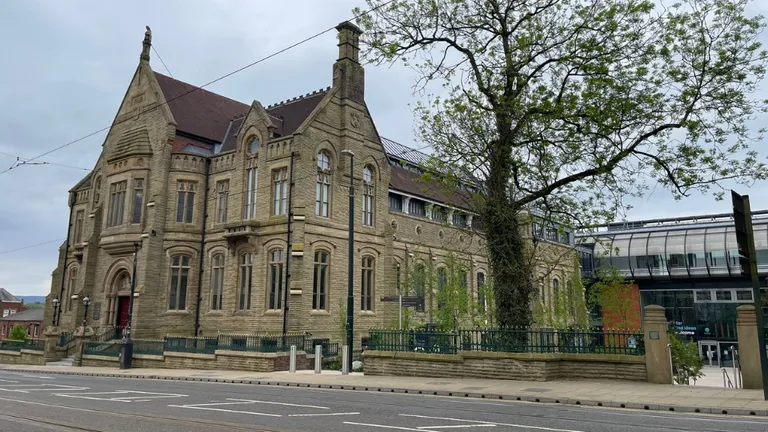
Oldham Council leader Councillor Arooj Shah has accused Reform UK of "refusing to try" to form an administration after the local elections left the borough without a clear ruling group.
Shah, who will step down as Labour group leader on May 20 following heavy losses in the local elections, said Reform had been given a mandate by voters but were now "shrinking" from the responsibility.
Labour was reduced from 26 to 18 seats on May 7, while Reform UK surged to become the second largest party with 16 seats. Oldham's 60 seats are now split between Labour (18), Reform (16), the Oldham Group (10), Liberal Democrats (6), Conservatives (4), and six independents.
For Reform to take control of the council, it would need to form a coalition with other parties to reach the 31 seats required for a majority. But Oldham's Reform leader, Lewis Quigg, has ruled out any such deal, saying his group would not engage in "secret deals behind closed doors" or join coalitions.
In a Facebook post, Shah said: "Reform stood for election telling residents they were ready to take control of the council. Now, when given the opportunity to step up, they're trying to step back and haven't even attempted to form an administration. That is not leadership, it is a complete abdication of responsibility.
"The electorate has ensured that Reform are in a position to form an administration and the Labour Group will not seek to block this. The fact that Reform are refusing to even try simply cedes ground to the Oldham Group and Kamran Ghafoor by default."
She added that Reform now "owes the public an explanation for why they sought power, only to shrink from it when it mattered most."
Responding to a request for comment, Quigg said: "For the first time since the election campaign, the Lib Dems, SECTARIAN Oldham Group and Tories have finally made clear they won't support a Reform UK administration. Their plan it seems is to put a Lib Dem in charge!
"Unlike the above parties we are not horsetrading or doing secret deals behind closed doors. The public has rightly had enough of such underhand skulduggery and extra responsibility allowances for votes trading hands. It is therefore clear that Reform UK must hold firm."
Quigg also took aim at Shah, accusing her of "abandoning her post" instead of facing a no confidence vote due on May 20. He suggested the Labour group should have opted for a "fresh start" with a new leader.
With the two largest groups both refusing to form coalitions, the council remains in a deadlock over who will take on the leadership. The only realistic alternative appears to be a coalition between the ten Oldham Group members, six Liberal Democrats, four Conservatives, and six independents – a total of 26 seats, enough to command a majority.
It is unclear whether this coalition would be led by Oldham Group leader Kamran Ghafoor or the new Liberal Democrat leader Sam Al-Hamdani. Either way, it would put power in the hands of smaller parties who, in some cases, received significantly fewer votes at the election than Reform UK.
The stalemate has left Oldham's political future uncertain as the May 20 deadline for Shah's resignation approaches. Residents are waiting to see which party or coalition will take control of the council and set the agenda for the town in the coming year.