Community · Oldham.news
Old Trafford regeneration: residents share hopes and fears
Plan for 100,000-seat stadium aims to transform Old Trafford; locals seek infrastructure like schools and GP.
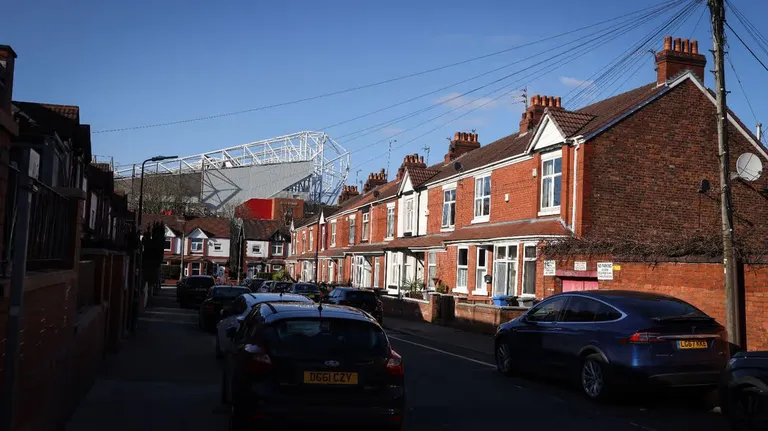
Ambitious plans to transform the area around Old Trafford—including a new 100,000-seat stadium—have sparked a mixture of hope and scepticism among long-standing residents, with many calling for improvements to safety, jobs, and basic infrastructure to match the scale of the development.
The Wharfside masterplan, drawn up alongside Manchester United's proposal for what would be the largest football ground in the UK, promises to overhaul one of the country's most famous sporting districts. But for the people who live on its doorstep, the question is whether the regeneration will deliver for them.
Haris Mahmood, a 42-year-old AI developer who lives near the ground, said he believes the plans will boost the area. "I think it's very positive because that's going to increase the land value plus it's going to increase the security around here," he said. "It's more job opportunities for the youngsters, I think we are lacking jobs for the young people, especially. It's good entry-level jobs for them. In terms of tourism and development, it's a great opportunity as well."
Mr Mahmood also hopes the regeneration will prompt the council to "look after the area better", leading to "much cleaner streets" and "more infrastructure". He pointed out that many residents already have CCTV and expects greater surveillance to follow if tourism increases.
Andrea Wilson, 44, who is currently looking for work, said the development could create jobs but stressed the need for local facilities. "There's not really much for [children] to do around here, so, if they're going to support businesses locally in the stadium and everything, they should provide something for the kids who live around here," she said. "Or a youth club, which actually is going to provide proper youth facilities and not gangs. Because gangs are an issue around here as well. There's all sorts of drug dealing going on outside the shops and all sorts of things. So it's not safe for the kids to go anywhere. You don't want them playing out because of the knife crime and everything else. For me, it's just make the area a bit safer and give the kids something to do."
Security worker Dariusz Borowski, 45, added: "We need investment. We need more investment in cleaning, more new homes, new footpaths. More people will come to the area and more investment, more companies will come."
But not everyone is convinced. One local man, who did not give his name, summed up the mood of many when he said: "I'll believe it when I see it."
Keith Vernon, 77, has lived next to the stadium for around 50 years. He welcomed the promise of change but said the area has long been neglected. "The residents of the area have been forgotten. Matchday is hellish around here. It is mad. Every now and again we do get police rushing up and down the road and it's not nice to see," he said. "People just pee up things. You don’t want to see blokes with their genitals hanging out. It can only be a good thing for the area. Every now and again it looks a bit shabby."
Mr Vernon added that he wants to see the plans come to fruition. "The houses are 100 years old and we've had very, very little development in the area."
A separate resident, who also asked to remain unnamed, described the current state of the stadium area as "embarrassing for a world class football team" and said any development that makes it a "world class stadium area" is well needed, before cautioning that new housing and infrastructure must reflect how people actually live. "You need parks and you need GP surgeries and you need schools and nurseries," they said. "What needs to happen is that the development needs to reflect the reality of how we live our lives and not how planners hope we live our lives."
For Oldham readers, the contrast with their own town's regeneration efforts may be clear. While the scale of the Old Trafford project is unique, local residents here share many of the same hopes—for better jobs, safer streets, and infrastructure that serves the community rather than just visitors. The debate over how to balance grand ambitions with everyday needs is one that resonates beyond Trafford.