News · Oldham.news
Lab Tests Help Track River Pollution Around Saddleworth
Lab tests help track river pollution in Saddleworth, providing evidence to identify patterns and guide action.
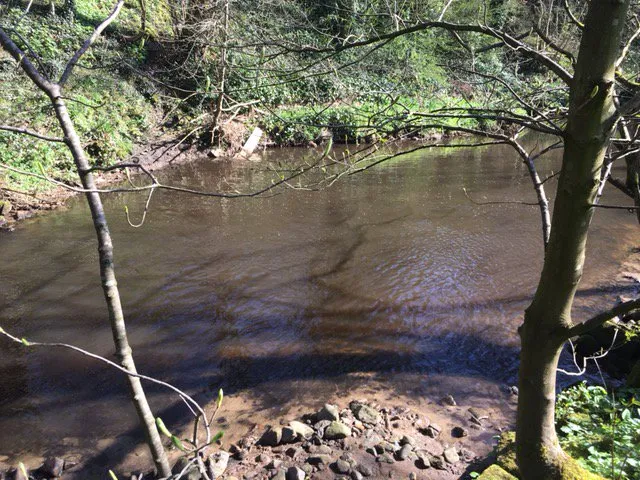
River pollution around Saddleworth is not always obvious, but laboratory testing helps confirm what the eye might miss. When a brook turns cloudy after rain or a strange smell lingers, lab results provide the firm evidence needed to understand the cause.
Saddleworth sits around the upper River Tame and the smaller brooks that feed into its wider catchment. Water flows past homes, roads, fields, and older industrial sites, meaning monitoring is useful even when there is no major incident.
Rain often triggers changes. Runoff from roads, building work, or farm tracks can wash sediment and pollutants into streams quickly. In dry weather, slower changes in oxygen or acidity might become noticeable. The goal of regular testing is not to alarm people over every cloudy patch, but to spot patterns.
Careful sample collection is essential. A bottle taken from a road drain tells a different story from one taken upstream in open water. Each sample needs a clear location, time, and reason for collection.
In the lab, samples are checked in several ways. Tests might look for nutrients like phosphate or nitrate, which can point to sewage or agricultural runoff. Other analyses check for metals, acidity, or chloride. The aim is to build a full picture of the water quality at that spot.
Automated equipment helps ensure results are consistent. For example, a titrator adds measured amounts of a chemical to find an exact reaction point, reducing guesswork. This creates a clear record, which is important if the results lead to further action or investigation.
A single lab number needs context. Field notes from officers are crucial. A low oxygen result is more significant if officers also observed dead fish or a sewage smell. Likewise, high chloride might be explained by winter road salt runoff.
Reports from the public are also vital. Walkers, anglers, and residents often spot changes between official visits. A good report includes location, time, photos if possible, and a clear description. This helps direct formal testing to the right place.
Most people will not read a full lab report, but public tools can help. The Environment Agency's Catchment Data Explorer shows whether local water bodies meet ecological and chemical standards, and if the overall pattern is improving or declining.
This data helps local groups ask evidence-based questions about whether problems follow heavy rain, or if one stretch is degrading more than another. It turns frustration into a clear point for discussion.
River monitoring is patient work. Its value is in catching small changes before they become larger problems downstream. Lab results turn suspicion into evidence, giving decisions about drainage, land use, and enforcement a firmer base.
For the communities around Saddleworth, where rivers and brooks are part of daily life, this steady testing gives local observations a formal path forward.