News · Oldham.news
Grains Bar Hotel shepherd huts secure five-year permission after proving mobility
Oldham hotel wins permission for shepherd huts on wheels after proving they are movable.
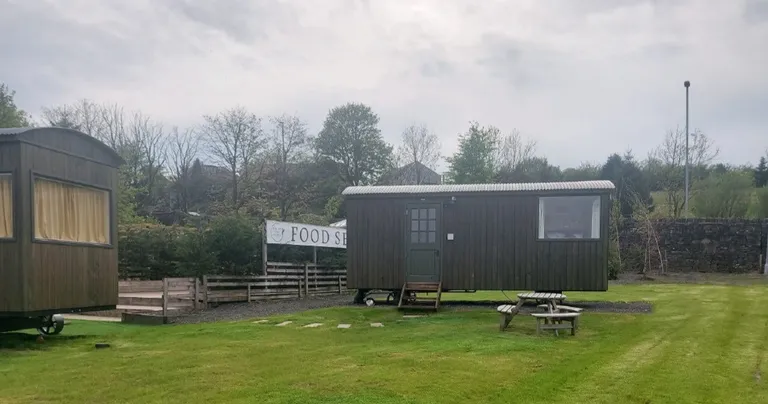
Grains Bar Hotel on Ripponden Road has been granted permission to keep its three shepherd huts after a resubmission proved they are movable structures rather than permanent fixtures. The decision overturns a refusal from June 2025 and allows the huts to continue serving as bridal preparation rooms and guest accommodation for the wedding venue.
The original application was turned down because the huts were thought to be fixed to the ground. However, the resubmission provided fresh evidence showing they are mounted on wheeled chassis without permanent foundations. Planning officers accepted that the huts now meet the legal definition of a caravan under the Caravans Sites and Control of Development Act 1960, which requires structures to be capable of being moved from one place to another.
In their report, officers noted: "The submitted photographs confirm the huts are mounted on wheeled chassis with cast iron wheels clearly visible. The planning statement confirms the huts have no fixed foundations and are connected to services via temporary hook-up connections rather than permanent fixed infrastructure."
A key factor in the approval was the temporary nature of the permission, which is limited to five years. At the end of this period, the huts must be removed and the land restored unless a fresh application is granted. This contrasts with the previous request, which sought permanent permission. Officers added: "A five-year temporary permission with a mandatory restoration condition means the development is not permanent."
Grains Bar Hotel is one of Oldham’s busiest wedding venues, hosting around 97 weddings each year—the second highest in the borough. The shepherd huts were introduced to compensate for the loss of three rooms when a two-storey extension was built to improve wedding facilities. The owners highlighted their importance, explaining that two huts are typically used before wedding ceremonies for bridal parties to dress and prepare, offering private space on-site. Later, they double as overnight accommodation for couples or guests, and during quieter periods they provide extra guest rooms.
The resubmission stressed that the wheels were never removed and the huts remain capable of relocation. This was a material difference from the earlier refusal, where wheels had been taken off. Officers concluded that the primary development is a material change of use of land for movable holiday accommodation, rather than operational development.
The owners stated: "The huts serve an important, but ancillary role to the hotel’s primary function as a wedding venue. In essence, they enhance the hotel’s visitor offer by providing a novel rural-luxe experience, which is increasingly expected in the competitive weddings and hospitality market."
This decision allows the hotel to continue offering these unique facilities for its wedding guests, supporting its status as a key venue in Oldham’s hospitality scene. The temporary permission ensures the land can be restored if needed, addressing previous concerns about permanent structures in the area.