Politics · Oldham.news
Former GMP PC Leigh Carnally cleared of wrongdoing in 'kill the bill' protest arrest
Former PC Leigh Carnally cleared over protester arrest in Oldham area; hearing ruled his actions appropriate.
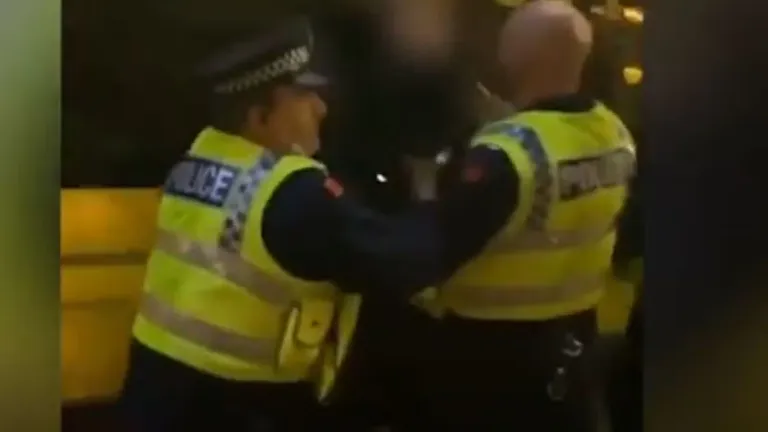
A former Greater Manchester Police officer has been formally cleared of wrongdoing after a disciplinary panel ruled that his actions during a protest in Manchester city centre were ‘entirely appropriate’. Leigh Carnally, who served in the Tactical Aid Unit, received an apology following a five-year investigation into a complaint of unlawful arrest and excessive force.
The incident took place in March 2021 during a ‘kill the bill’ protest against the Police, Crime, Sentencing and Courts Bill, amid Covid restrictions. Demonstrators gathered in Manchester city centre, with 18 people arrested after tramlines were blocked. PC Carnally was part of the police response, driving a police van on Mount Street when protesters approached, including 18-year-old Sam Brooks.
According to the disciplinary hearing judgment, Mr Brooks directed an abusive gesture—raising his middle finger—at the officer. PC Carnally then left the van and detained Mr Brooks. It was alleged that the officer held Mr Brooks by the throat, placed him in an arm lock, and applied handcuffs as part of an arrest for alleged breach of the peace.
A complaint was lodged claiming the arrest was unlawful and the force used was ‘unnecessary, disproportionate and unreasonable’. The officer was also accused of dishonesty in claiming the protester raised his middle finger. Mobile phone footage of the confrontation was circulated, prompting a professional standards investigation.
At the disciplinary hearing, the panel noted that neither Mr Brooks nor other complainants attended, so their claims were untested. The panel said they were ‘cautious’ about the allegations. However, they reviewed body-worn video footage and the officer’s contemporaneous pocket book entry. They found PC Carnally was not dishonest and that the protester’s behaviour justified action under the Public Order Act.
The panel ruled that the arrest was lawful and the use of force proportionate. They stated: ‘You challenged a young male who had directed an abusive gesture towards you. It was entirely appropriate for you to do so.’ The panel added that Mr Brooks could have avoided the situation by stopping and speaking to the officer.
In their judgment, the panel noted the officer was ‘experienced’ with an ‘unblemished record’ and that Mr Brooks’ actions would amount to grounds for detention under Section 5 of the Public Order Act, which concerns behaviour likely to cause harassment, alarm, or distress.
For Oldham residents, this case underscores the challenges faced by police during public protests and the importance of thorough investigations into officer conduct. The outcome affirms that professional standards processes can exonerate officers when allegations are not supported by evidence.
PC Carnally is now exonerated after five years. The apology marks a formal recognition that his actions were within the boundaries of law and policy, bringing closure to a long-running case.