Community · Oldham.news
Dozens of Saddleworth landmarks nominated for Oldham local heritage list
Dozens of Saddleworth landmarks, from pubs to a working gas lamp, are nominated for Oldham's new local heritage list, with public consultation deciding protection.
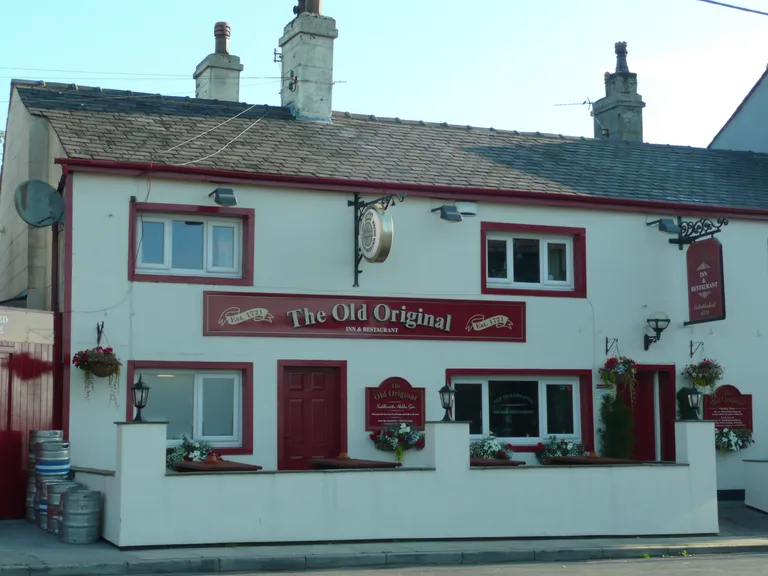
Dozens of Saddleworth landmarks have been nominated for a new local heritage list being drawn up for Oldham.
The Greater Manchester Archaeological Advisory Service (GMAAS) is compiling the list of sites that should be protected through the planning system. Local listing does not carry the same legal weight as national listing, but buildings on a council's local list are given more protection from development.
Oldham is preparing to join Stockport and Salford in having a local list. National listing, which runs from Grade I to Grade II, covers about 500,000 buildings across England.
Nominated sites in Saddleworth include homes, churches, mills, schools, pubs and milestones. A gas lamp, a weir and a signal box have also been put forward.
Public consultation will decide which of them make the final list. GMAAS says the aim is to encourage communities to nominate the historic buildings and other heritage assets they value most, helping to protect them through the planning system.
Among the standouts is Scouthead's Old Original on Thurston Clough Road. Its listing says the pub appears on a township plan of 1822 and on the Ordnance Survey mile map of 1850, while its decorated facade refers to being established in 1721. The GMAAS assessment adds that the building "makes an important contribution to the character and appearance of Doctor Lane Head" and "lies at the heart of the local community".
Other nominations include Denshaw Vicarage, the pump house, manager's office and valve house at Castleshaw Reservoir, and the Castleshaw Centre. Phone boxes at Greenfield and Uppermill are on the list, along with 12 canal locks and Uppermill's former NatWest bank building.
Diggle Mill Weir is described by GMAAS as "a good example of a 19th-century weir" and a physical reminder of the area's early industrial heritage.
A gas lamp on Carr Lane in Diggle, which dates back to the late 18th century and is still in working order, is also listed. The report says that although it is modest in scale, it has value in its own right and in the contribution it makes to its wider setting. It notes that very few historic gas lamps survive in working order and that this one "is likely to be a notable landmark".
Two Delph landmarks, the former station and Millgate Arts Centre, have made the list. So has Greenfield's Boarshurst Centre, described as "the oldest surviving school building in Saddleworth, which is still in use".
A submission about Saddleworth Civic Hall says it has "played a significant role in the lives of local residents for more than 150 years".
For Grasscroft's Farrars Arms, GMAAS notes the pub is referred to as Shaw Hall in the Saddleworth Church Register for 1762, which records Radcliffe Whitehead as the innkeeper. The tenancy was advertised in the Manchester Guardian on 3 March 1832, with a brewhouse, barn stables and other outbuildings, together with approximately 20 acres of land. The Farrars were the Lords of the Manor and the Whiteheads were their agents, responsible for collecting rents from tenants.
On Saddleworth as a whole, GMAAS says the area has a history of human occupation going back at least to the first century, when the Roman military built a road from Chester to York and established a fort at Castleshaw to defend and patrol the local section of the road. Place names come from Celtic and Anglian dialects, and flint arrowheads and Viking jewellery have been found.
The first documentary reference to Saddleworth appears in the Domesday Survey of 1086, where it is referred to as "Thoac". GMAAS adds that unlike most of the Oldham Metropolitan Borough, where industrial buildings were generally made from Accrington red brick, Saddleworth's textile mills and supporting infrastructure were built from local millstone grit, giving the buildings a distinct appearance locally.