Community · Oldham.news
Carrington campaigners celebrate victory against huge warehouse scheme, but warn fight continues
Carrington residents defeated a warehouse plan but continue fighting to protect their Oldham community.
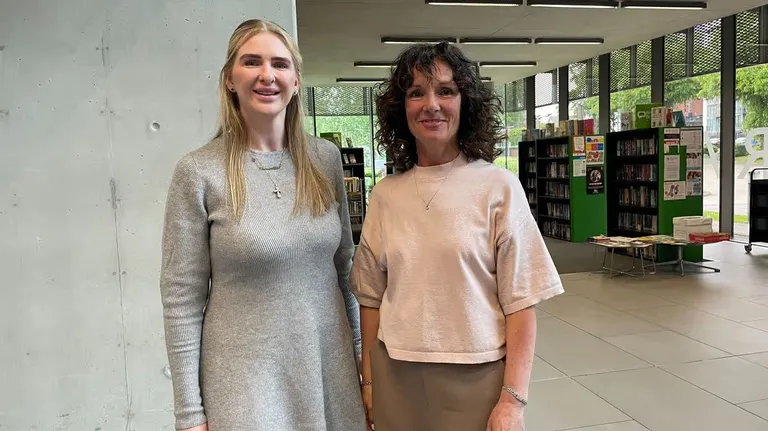
Community campaigners in Carrington have won a landmark battle against a massive warehousing scheme, a decision that offers a powerful lesson for residents in Oldham fighting their own fights against large-scale industrial development on their doorsteps. The plan, drawn up by Wain Estates, was unanimously thrown out by Trafford councillors concerned about its impact on wildlife, the local landscape, and the character of the rural community.
"That battle is over, but the war's not over," said Lorraine Eagling of the Friends of Carrington Moss campaign group, expressing the huge relief at the outcome but acknowledging the fight to protect the community is far from finished. "It's such a relief."
The application sought to build huge warehouses on a site largely consisting of previously developed land, a former petrochemical works. The developer argued that the scheme was a 'catalyst' for the wider regeneration of the area. Planning agent John Coxon told councillors that without the income generated by the warehousing, the cost of cleaning up the contaminated land and funding vital infrastructure for new homes and jobs would remain unviable. "This application provides the catalyst," he said. "The delivery of much needed jobs and family homes will continue to stall."
But residents saw the proposals as a blight on their lives and the local environment. Sarah Moore, who lives just yards from where the warehouses would have stood, said she could cry with happiness. "I think it would have had a massive impact on everyone, not just the wildlife, but the residents too," she told the Local Democracy Reporting Service. "I'm really happy."
The rejection was applauded by the committee, with councillors raising specific issues around the scale of the buildings, the loss of woodland habitat, and the harm it would do to the biodiversity of the area.
For campaigners in Oldham, the victory in Carrington feels deeply familiar. The tension between unlocking economic development and protecting the green spaces and residential amenity that make a community liveable is a constant pressure point across Greater Manchester. In Oldham, similar concerns have been raised over the relentless spread of warehousing and logistics hubs on land bordering the M60 and M62 corridors. The argument that precious green belt and local wildlife sites cannot simply be flattened to make way for concrete and steel is one heard time and again at planning meetings across the borough.
"It's almost like [the developer] just wants to flatten absolutely everything in its wake in order to develop," Ms Eagling said. "It doesn't work like that. People live there, there are homes and communities, and you can't do that." She added that she hoped the decision would make developers "see sense" and realise that they "cannot just walk all over people".
Marj Powner, Chair of the Friends of the Carrington Moss campaign group, was gracious in victory. She praised the councillors and planning officers for their work, noting that the officer's report had been "very open about all the harms to be caused". The hope now is that Wain Estates will go back to the drawing board and submit a "less harmful scheme for the brownfield parts of the site that is sensitive to local residents as well as the biodiversity in the adjacent areas".
The war in Carrington is not over. Wain Estates could resubmit plans. But for one night, the community stood up to a multi-million pound development and won. It is a reminder that local democracy can work, and that the voice of a determined community, armed with the facts and a strong sense of place, carries immense weight. For residents in Oldham facing similar pressures, it provides a template for resistance and a reason to keep fighting for the places they call home.