Community · Oldham.news
Brownhill Bridge Mill in Dobcross to be transformed into holiday lets and co-working space
Brownhill Bridge Mill in Dobcross approved for holiday lets and workspace, reviving Oldham’s industrial heritage.
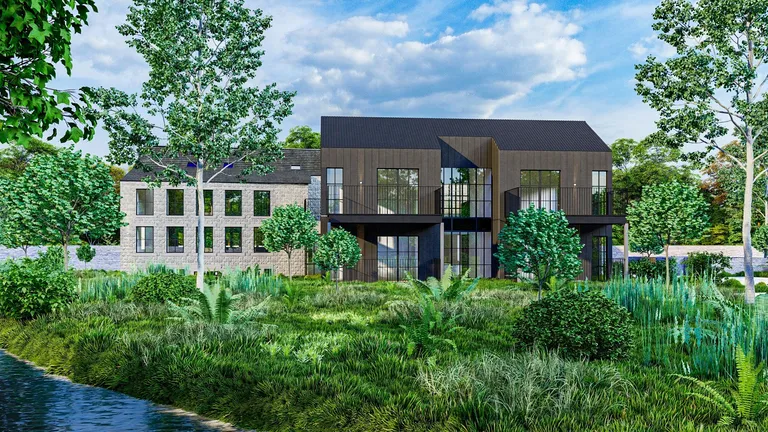
A historic Dobcross mill is set to be transformed into holiday apartments and a community workspace after Oldham Council granted planning permission. Brownhill Bridge Mill, a Grade II-listed building on Lowerfields in Saddleworth, had been targeted for regeneration since 2023, and the approved scheme will see the dilapidated structure restored and extended.
The project is a family affair, led by Stephen and Martin Hill of Oldham firm Hill’s Panel Products, with support from Daniel Hill and Deborah Hill. When the application was first lodged, Deborah said: “There aren’t many buildings surviving that reflect the area’s rich industrial heritage, so projects like Brownhill Bridge Mill are really quite special.” The mill, once used for textile processing like teasing and scribbling, has stood empty and deteriorating for years.
Once complete, the building will house 11 holiday lets alongside “The Hub at Brownhill” — a co-working space open during the week where locals can hire desks by the day. At weekends, the space will transform into a makers’ market, aimed at bringing creative trades back to the area, which the owners describe as “a site once steeped in its own creations.”
The development also includes a woodland nature garden, with plans for bird houses, hedgehog homes, bee hotels, and wildflower gardens to support local wildlife. This green addition is designed to complement the site’s rural setting in the green belt.
Planning documents highlighted the mill’s extremely poor condition, noting that it “continues to deteriorate.” Without the enabling development, the building would face further structural failure, causing greater long-term harm to its heritage significance. The existing extensions were found to have significant cracking, water ingress, rotted floor structures, and corroded lintels, making them “not capable of meaningful retention.”
Without the proposed extensions, the mill could only house seven units at a loss of nearly £400,000, making the conversion unviable. Concerns were raised by Growth Lancashire and the Georgian Group over the impact on the building’s appearance and the relocation of surviving mill equipment, including shafting and winches. Historic England recommended aligning the extension with the mill’s western gable to reduce harm, and a local councillor questioned the traffic impact on Lowerfields and Nicker Brow.
Despite these objections, the council decided the scheme would not harm green belt views or highway safety, and it met the “very special circumstances” required for development in the green belt. Strict conditions were imposed, particularly around work on the historic listed structure, to ensure the building’s character is preserved.
Originally powered by a waterwheel until the 1920s, Brownhill Bridge Mill has a rich history in wool processing. This new chapter aims to safeguard the building for future generations, blending heritage with modern community use.